November 4, 2026
Manufacturing and fabrication rely heavily on advanced techniques to shape raw materials into finished components. Among the most effective methods available today is utilizing high-pressure abrasive streams to slice through virtually any substance with incredible accuracy. However, achieving desired results requires partnering with a capable service provider. Selecting a precise water cutting company profoundly impacts the final outcome of any fabrication project. Poor execution can lead to wasted materials and missed deadlines, whereas expert handling ensures seamless production cycles. The difference between an adequate vendor and an exceptional partner lies in their attention to detail, equipment maintenance, and overall industry expertise. Thoroughly evaluating potential manufacturing partners guarantees that production runs smoothly from the early design phase to final delivery.
Assessing Industry Experience
Navigating complex manufacturing demands requires a deep reservoir of practical knowledge. A vendor with extensive background in fluid-based machining understands how different materials react to immense pressure and can adjust their approach accordingly. Such expertise proves invaluable when tackling unconventional shapes or delicate substrates that might crack under inappropriate handling. Seasoned operators recognize subtle signs of machinery wear before catastrophic failures occur, preventing costly downtime and ruined parts. By recognizing the unique properties of each material, experienced technicians optimize cut speeds and abrasive mixtures to produce flawless edges. This level of nuanced control only comes from years spent observing and refining the machining process across a wide variety of industrial applications.
Beyond operating machinery, true expertise involves anticipating logistical challenges and offering proactive solutions. An established precise water cutting company brings a wealth of institutional knowledge to every project, advising clients on optimal material usage to minimize waste. These professionals guide designers toward manufacturing-friendly modifications without compromising structural integrity. Trusting a novice operation often results in painful learning curves and expensive rework. Conversely, relying on seasoned veterans provides peace of mind, knowing that the most challenging aspects of fabrication remain in capable hands throughout the entirety of the production cycle.
Evaluating Technological Capabilities
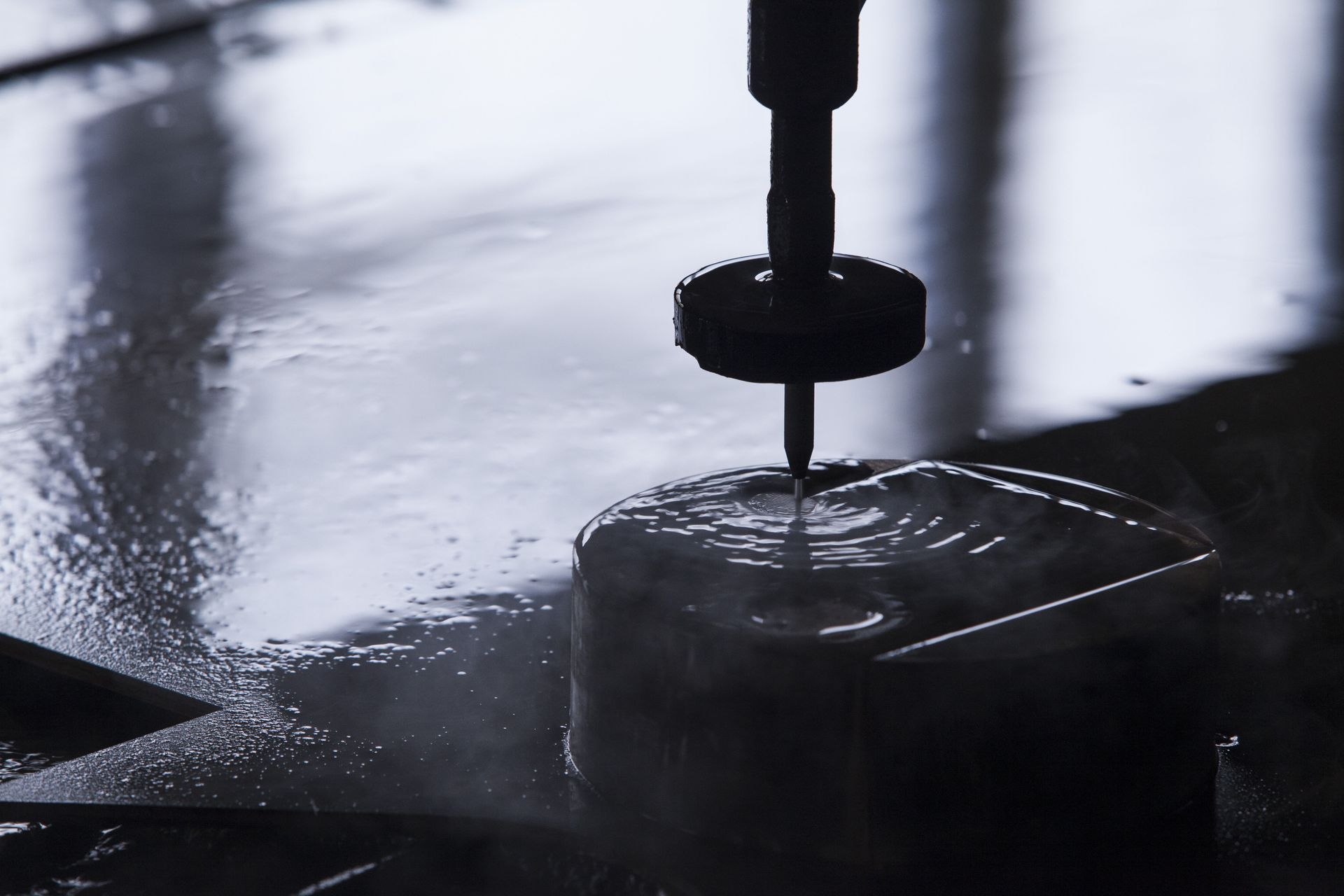
The machinery utilized by a service provider directly dictates the quality and speed of production. Modern fluid-cutting systems integrate sophisticated software that translates complex digital designs into precise physical movements. This technology allows for microscopic adjustments during the machining process, maintaining strict tolerances along intricate cutting paths. Upgraded pumps generate the extreme force necessary to pierce thick metals and dense composites without generating heat-affected zones. While some applications require abrasive additives for cutting rigid materials, the underlying mechanism of harnessing focused pressure remains remarkably adaptable across different fields. For example, similar hydrodynamic principles apply to maintenance tasks outside of manufacturing. According to HomeGuide, this process involves inserting a hose with a multi-directional nozzle into the pipe, then blasting water at pressures from 1,500 to 4,000 PSI to eliminate clogs.
Recognizing this adaptability highlights the sheer power contained within fluid-pressure systems. A reputable, precise water cutting company invests heavily in the latest technological advancements to harness this power efficiently. State-of-the-art equipment reduces taper on cut edges and accelerates overall completion times, directly benefiting the client through lowered production costs. Continuous upgrades to hardware and software demonstrate a commitment to remaining at the forefront of the manufacturing sector. Vendors relying on outdated equipment often struggle to maintain consistency across large batches and may fail to achieve the required edge quality on thicker substrates. Therefore, scrutinizing the technological infrastructure of a potential partner remains a critical step in ensuring they possess the capability to fulfill demanding production specifications.
Understanding Material Versatility
Fluid-based machining stands out among fabrication methods due to its incredible versatility. Unlike laser or plasma techniques that rely on intense heat, this cold-cutting process alters materials without altering their internal structural properties. This allows operators to slice through heat-sensitive alloys, hardened ceramics, and laminated composites without causing warping or microscopic fractures. A versatile manufacturing partner confidently handles diverse substrates ranging from soft rubber gaskets to impenetrable ballistic armor. This broad capability consolidates the supply chain, allowing businesses to send diverse components to a centralized vendor instead of coordinating with various specialized facilities.
To fully leverage this versatility, a reliable, precise water cutting company maintains an inventory of specialized fixtures and abrasive agents suited for different materials. Cutting brittle glass requires a vastly different approach compared to slicing through dense titanium plates. The chosen provider must demonstrate a proven track record of successfully manipulating the specific materials required for the upcoming project. Asking for sample cuts or reviewing previous case studies provides tangible evidence of their material-handling proficiency. When a vendor deeply understands the quirks of various substrates, they optimize the entire fabrication process, delivering pristine parts that require minimal additional finishing. This comprehensive material expertise separates elite manufacturers from those who simply push buttons on a machine.
Prioritizing Operational Safety
Operating equipment capable of generating immense pressure demands strict adherence to rigorous safety protocols. The sheer force required to sever solid metal poses significant risks to technicians if proper precautions are ignored. Facility safety reflects the overall organizational discipline of the manufacturer. A vendor that maintains clean walkways, enforces protective gear usage, and conducts regular equipment inspections is highly likely to apply that same level of care to client projects. Lax safety standards not only endanger personnel but also increase the likelihood of sudden equipment failures that completely halt production lines. Partnering with a chaotic facility invites unnecessary risks into the supply chain, jeopardizing timely project completion and potentially exposing the client to indirect liabilities.
Thoroughly evaluating a potential partner requires looking beyond their pricing structure and analyzing their operational culture. A trustworthy, precise water cutting company fosters a culture of accountability where every technician feels responsible for maintaining a secure environment. This dedication translates into meticulously maintained machinery, which consistently produces superior components. Facilities prioritizing safety often boast higher employee retention rates, meaning client projects benefit from the steady hands of experienced operators rather than a rotating cast of novices. When safety becomes ingrained in daily operations, the workflow becomes smoother and more predictable. Clients ultimately benefit from this stability, receiving high-quality components delivered on schedule without sudden interruptions caused by preventable industrial accidents.
Ensuring Consistent Quality
Delivering a flawless prototype is meaningless if the vendor cannot replicate that exact standard across a massive production run. Consistency serves as the ultimate benchmark for measuring fabrication success. Implementing robust quality assurance protocols ensures that the final component matches the original unit perfectly. Technicians must perform regular dimensional checks and visual inspections throughout the machining process to catch deviations early. If the abrasive stream loses focus or the cutting head alignment shifts slightly, the resulting errors can ruin entire batches of expensive raw material. Rigorous monitoring prevents these minor anomalies from compounding into disastrous setbacks, safeguarding the client from receiving unusable parts.
Comprehensive quality control extends beyond measuring tolerances; it encompasses material handling, packaging, and final delivery preparation. An elite, precise water cutting company documents its inspection procedures and readily shares these reports with clients to build trust. This transparency proves that the manufacturer stands behind their work and proactively addresses any imperfections before the parts leave the facility. Reliable partners also invest in advanced metrology equipment to verify complex geometries with absolute certainty. By embedding quality checks into every stage of the fabrication workflow, these organizations eliminate the uncertainty typically associated with outsourced manufacturing.
Selecting the ideal fabrication partner transforms a stressful manufacturing process into a streamlined path toward success. The benefits of partnering with a highly capable facility echo throughout the lifespan of a project, from reducing raw material waste to eliminating costly additional machining. Careful consideration of the experience, technological assets, material expertise, and safety culture of an organization reveals their true operational capacity. Entrusting valuable materials to unproven vendors often leads to frustration, whereas making an informed choice guarantees exceptional results. When the time comes to bring your next ambitious design to life, you deserve a team that treats your project with the utmost care and professionalism. If you are looking for a dedicated partner ready to exceed your expectations, please reach out to the friendly experts at Performance Water Jet.